
What is Pharmacogenetic (PGx) Testing?
Pharmacogenetics (PGx) is the science of how your genes affect your body’s response to medications. It focuses mainly on small variations in your DNA that influence how fast or slow you process drugs — and how likely you are to experience side effects or reduced effectiveness.
Everyone metabolizes drugs a little differently because of tiny, perfectly normal variations in our DNA. These variations can decide whether a medicine:
1. **Extensive (Normal) Metabolizer** Most common. Two working copies of the gene → standard doses usually work perfectly.
2. **Intermediate Metabolizer** Reduced activity → you may need a lower dose or a different medication.
3. **Poor Metabolizer** Little to no activity → standard doses can build up and become toxic. Much lower doses (or different drugs) are often needed.
4. **Ultra-Rapid Metabolizer** Extra-fast activity (sometimes multiple gene copies) → the drug may disappear before it can work. Higher doses or alternative medications are usually required.
The same pill that saves one person’s life can send another to the emergency room — all because of genetics.
A single, one-time pharmacogenetic test tells you and your doctor:
Which ones might be risky or ineffective

Which medications are most likely to help you

The safest, most effective starting dose

Learn more about the different types of metabolizers
-
What is an Ultra-Rapid Metabolizer in Pharmacogenomics?
In pharmacogenomics, an ultra-rapid metabolizer (UM) is someone whose genes cause them to process certain medications much faster than average.
In plain language:
Your body clears the drug too quickly for it to do its job properly.
What’s actually happening in the body 🧬
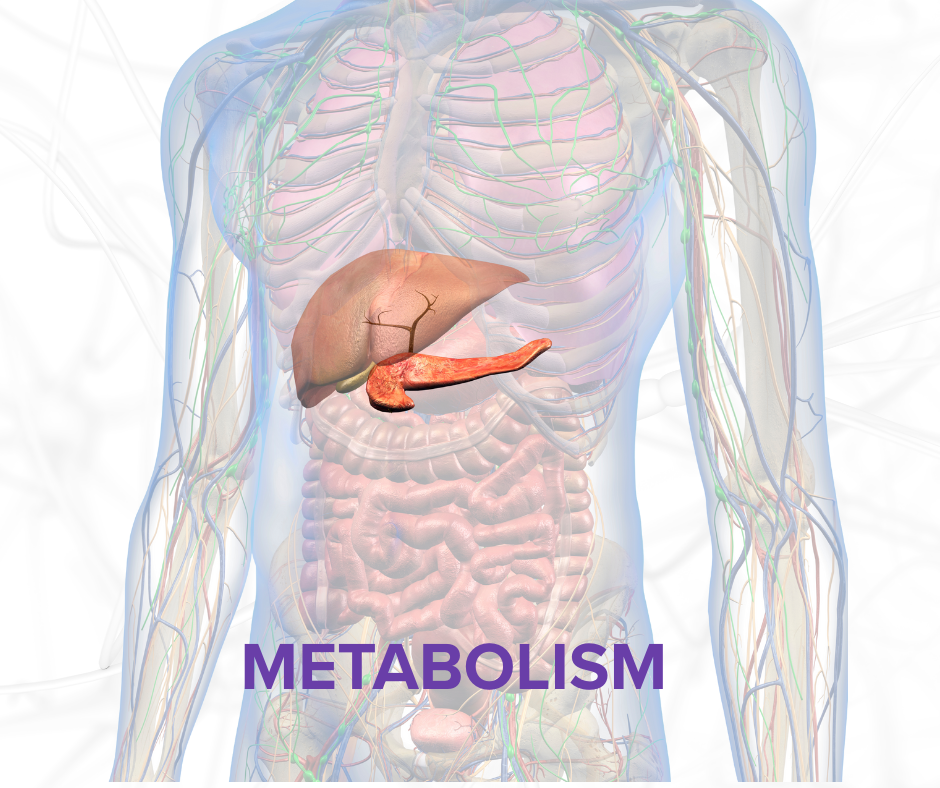
Most medications are broken down by liver enzymes, especially a family called CYP enzymes (like CYP2D6, CYP2C19, CYP3A4).
If you’re an ultra-rapid metabolizer:
You have genetic variants that make one of these enzymes extra active
The medication gets broken down before it can reach or stay at a therapeutic level
Blood levels of the drug stay too low
So even though you’re “taking the medicine correctly,” your body is quietly escorting it out the door.
What does this feel like in real life?
People who are ultra-rapid metabolizers often say things like:
“That medication did nothing for me.”
“I felt it for maybe a day, then nothing.”
“I need much higher doses than everyone else.”
“Doctors think I’m non-compliant, but I’m not.”
“I’m extremely sensitive to some drugs and immune to others.”
It’s not psychological. It’s biochemical.
Important twist: not all drugs behave the same ⚠️
This part is critical.
For most medications:
Ultra-rapid metabolism = medication doesn’t work
But for prodrugs (drugs that must be converted into an active form):
Ultra-rapid metabolizers may convert the drug too fast
This can cause strong effects or side effects
Classic example:
Codeine → converted into morphine
Ultra-rapid metabolizers can produce too much morphine too quickly, which can be dangerous
So “fast” isn’t always good.
Common medication types affected
Depending on the gene involved, ultra-rapid metabolism can affect:
Antidepressants
Anti-anxiety medications
ADHD medications
Pain medications
Some sleep medications
Some heart medications
Acid-reducing drugs
This is why PGx testing often explains years of trial-and-error prescribing.
Where this fits in PGx reports
In a pharmacogenomics report, you’ll usually see categories like:
Poor metabolizer
Intermediate metabolizer
Normal (extensive) metabolizer
Ultra-rapid metabolizer
Ultra-rapid doesn’t mean “healthier” or “stronger.”
It just means different wiring.Why this matters (especially for sleep, anxiety, and mood)
For sleep and nervous-system medications:
Fast metabolism can mean short duration
Or no effect at all
Leading people to stack meds, supplements, wine, or melatonin trying to compensate
Understanding ultra-rapid metabolism helps shift the story from:
“Why isn’t this working?”
to
“This drug may not be compatible with my biology.” -
What is an Extensive (Normal) Metabolizer in Pharmacogenomics?
In pharmacogenomics, an extensive metabolizer (now often called a normal metabolizer) is someone whose genes cause them to process a medication at the expected, average rate.
In plain language:
The medication is broken down neither too fast nor too slow — it works the way clinical trials assume it will.
What’s actually happening in the body 🧠🧬
Medications are processed mainly by liver enzymes, especially the CYP enzyme family (CYP2D6, CYP2C19, CYP3A4, etc.).
If you’re an extensive (normal) metabolizer:
Your enzyme activity falls within the typical range
The medication reaches and stays at therapeutic levels
The dose on the label is more likely to be appropriate
This is the baseline most drug studies are built on.
What does this feel like in real life?
People who are normal metabolizers often say:
“That medication worked about how I expected.”
“I noticed a benefit without major side effects.”
“I didn’t need extreme dose changes.”
“It helped, but it wasn’t magic.”
In other words: predictable, not dramatic.
Important nuance: “Normal” ≠ “Perfect” ⚠️
This is crucial.
Being a normal metabolizer does not mean:
Every medication will work for you
You won’t have side effects
Dosing never needs adjustment
It simply means:
Your body processes the drug at the expected speed, not that the drug is the right one for you.
Effectiveness still depends on:
The drug’s mechanism
Your condition
Drug–drug interactions
Hormones, age, stress, sleep, nutrition
Prodrugs and normal metabolism 🔄
For prodrugs (inactive drugs that must be converted into an active form):
Normal metabolizers convert the drug at the intended rate
This usually leads to balanced effectiveness and safety
Example:
Codeine → morphine
Normal metabolizers convert it at a controlled, predictable level
This is what prescribing guidelines assume.
Common medications where “normal” matters
Being a normal metabolizer often means standard dosing works as designed for many:
Antidepressants
Anti-anxiety medications
ADHD medications
Pain medications
Sleep medications
Acid-reducing drugs
Some cardiovascular medications
This is why PGx reports often say:
“Use as directed” or “Standard dosing appropriate”
Where this shows up in PGx reports
In reports you’ll see terms like:
Extensive metabolizer
Normal metabolizer
Normal enzyme activity
This is the reference group against which poor, intermediate, and ultra-rapid metabolizers are compared.
Why this matters for sleep, mood, and anxiety 🌙
For sleep- and nervous-system-related medications:
Effects are more likely to last the expected duration
Side effects are more likely to match what’s in the leaflet
If something doesn’t work, the issue may be:
the medication choice, not metabolism
timing, formulation, or interactions
nervous system arousal, not chemistry
This helps avoid chasing doses when the real issue lies elsewhere.
Reframing the word “normal”
“Normal” in PGx doesn’t mean:
average person
ideal outcome
problem-free
It means:
Your body follows the rulebook the drug was written for.
And that’s useful information.
-
What is an Intermediate Metabolizer in Pharmacogenomics?
In pharmacogenomics, an intermediate metabolizer (IM) is someone whose genes cause them to process certain medications more slowly than normal, but not extremely slowly.
In plain language:
The medication stays in your body longer than expected, but not long enough to be obvious at first.
What’s actually happening in the body 🧠🧬
Medications are primarily broken down by liver enzymes, especially the CYP enzyme family (CYP2D6, CYP2C19, CYP3A4, and others).
If you’re an intermediate metabolizer:
One copy of a gene may work normally, the other less efficiently
Enzyme activity is reduced, but not absent
The drug is cleared more slowly than average
Drug levels can build up over time
This is why symptoms often appear after days or weeks, not immediately.
What does this feel like in real life?
Intermediate metabolizers often say:
“It worked at first, then I felt weird.”
“Side effects crept in slowly.”
“Low doses help, but normal doses feel like too much.”
“I feel foggy, heavy, or emotionally flat.”
“I’m sensitive, but not dramatically so.”
This group is frequently told:
“Let’s wait and see.”
And that’s often when problems quietly accumulate.
Why intermediate metabolizers are often missed ⚠️
Because:
The medication does work initially
Side effects are delayed
Standard dosing isn’t immediately dangerous
Doctors may interpret symptoms as:
Anxiety
Depression progression
Aging
Stress
Non-specific intolerance
When the real issue is slow clearance.
Prodrugs and intermediate metabolism 🔄
For prodrugs (inactive drugs that must be converted into an active form):
Intermediate metabolizers convert them less efficiently
This can lead to reduced effectiveness
Sometimes higher doses are prescribed, which can complicate things
Example:
Codeine → morphine
Intermediate metabolizers may experience weaker pain relief, but still some side effects
Common medication patterns with intermediate metabolism
Depending on the gene involved, intermediate metabolizers may notice issues with:
Antidepressants (especially SSRIs)
Anti-anxiety medications
Sleep medications
Pain medications
ADHD medications
Some heart medications
The pattern is often:
Works… then doesn’t… then causes side effects.
Where this appears in PGx reports
You’ll see labels like:
Intermediate metabolizer
Reduced enzyme activity
Moderate metabolic capacity
Often followed by notes such as:
“Consider lower starting dose”
“Monitor for side effects”
“Dose adjustment may be required”
This is not a red flag. It’s a precision signal.
Why this matters for sleep, mood, and anxiety 🌙
For nervous-system medications:
Effects may last longer than expected
Sedation can bleed into daytime
Emotional blunting or brain fog can emerge
Stopping the medication may feel harder due to accumulation
This often drives people to say:
“I feel medicated all the time.”
-
What is a Poor Metabolizer in Pharmacogenomics?
In pharmacogenomics, a poor metabolizer (PM) is someone whose genes cause them to process certain medications very slowly or not at all.
In plain language:
The medication builds up in your body because your system can’t clear it efficiently.
What’s actually happening in the body 🧠🧬
Most medications are broken down by liver enzymes, especially those in the CYP enzyme family (CYP2D6, CYP2C19, CYP3A4, etc.).
If you’re a poor metabolizer:
Both copies of a relevant gene have reduced or no function
Enzyme activity is very low or absent
The drug stays in the body far longer than intended
Even standard doses can lead to high drug levels
This is not sensitivity. It’s accumulation.
What does this feel like in real life?
Poor metabolizers often report:
“That medication hit me way too hard.”
“Side effects showed up fast and stayed.”
“I felt sedated, foggy, or unwell almost immediately.”
“I couldn’t tolerate even a low dose.”
“Stopping it took forever to feel normal again.”
These reactions are often intense and unmistakable.
Why poor metabolizers are sometimes mislabeled ⚠️
Without PGx insight, these reactions may be described as:
“You’re just sensitive”
“That’s anxiety”
“Let’s push through the side effects”
“Your body will adjust”
But for poor metabolizers:
Waiting often makes things worse, not better.
Prodrugs and poor metabolism 🔄
For prodrugs (medications that must be converted into an active form):
Poor metabolizers may fail to activate the drug
This can lead to little or no benefit
Side effects may still occur from the inactive parent drug
Example:
Codeine → morphine
Poor metabolizers may get poor pain relief, nausea, or dizziness without benefit
This combination is especially frustrating for patients.
Medications commonly affected
Depending on the enzyme involved, poor metabolizers may struggle with:
Antidepressants (especially SSRIs and TCAs)
Anti-anxiety medications
Sleep medications
Pain medications
ADHD medications
Some cardiovascular and GI medications
The pattern is often:
Strong reaction, fast onset, low tolerance.
Where this shows up in PGx reports
In PGx reports, you’ll see:
Poor metabolizer
Significantly reduced enzyme activity
High exposure risk
Often followed by guidance such as:
“Avoid this medication”
“Consider alternative drug not metabolized by this enzyme”
“Use much lower dose with caution”
This is actionable, not alarming.
Why this matters for sleep, mood, and anxiety 🌙
For nervous-system medications:
Sedation can be excessive
Daytime impairment is common
Emotional blunting or physical heaviness can feel overwhelming
Withdrawal effects may be prolonged due to accumulation
Many poor metabolizers stop trusting medications entirely after one bad experience.
Reframing “poor”
“Poor metabolizer” does not mean:
weak
fragile
broken
It means:
Your body processes certain drugs far more slowly than expected.
And knowing this can prevent years of trial and error.
The full metabolism spectrum (quick recap)
Ultra-rapid: clears too fast → drug doesn’t last
Normal (extensive): clears as expected → predictable
Intermediate: clears slowly → buildup over time
Poor: clears very slowly → high risk of side effects
Each is neutral information. The danger is not knowing.
PGx Test Facts
How it works
Your body uses special helper proteins, called enzymes, to break down medications. Most of this work happens in the liver. Think of these enzymes as your body’s cleanup crew — they decide how fast a medicine is processed and cleared from your system.
How well these enzymes work is partly determined by your genes,
which you inherit from your parents.
Because of genetic differences, people can process the same medication very differently:
The medication is broken down and cleared too quickly, before it has time to do its job. This can make the medicine less effective or feel like it “doesn’t work.”

The medication stays in the body longer than intended and can build up. This increases the chance of side effects or unwanted reactions, even at standard doses.

The medication is processed at a normal rate, so it works as expected with typical dosing.
Pharmacogenomic (PGx) testing looks at the genes that control these enzymes. By understanding how your body is likely to process medications, PGx testing can help predict which drugs may work best for you — and which ones may need dose adjustments or alternatives.
One simple test. A lifetime of smarter, safer medicine.
We analyze the exact genes that matter for over 200 commonly prescribed medications — painkillers, antidepressants, blood thinners, cancer drugs, heart medications, and many more — so you get the right drug, at the right dose, for your unique body — the first time.
-
Over 7 in 10 prescriptions are written for medications affected by genetics (painkillers, blood thinners, antidepressants, statins, and more). Without testing, you’re rolling the dice every time you refill.
-
People with certain variants need up to 80–90% lower doses of drugs like codeine, warfarin, or clopidogrel. Skip the test, and you could land in the ER—even when you followed the doctor’s orders perfectly.
-
Depression patients often try 4–6 antidepressants before finding one that works. Genetic testing can point to the most effective class on the very first try, sparing months of misery and side effects.

-
The same genes that affect your response to anesthesia, antibiotics, or ADHD meds are passed to your children. One family test can protect everyone for life.
-
For drugs like abacavir (HIV), carbamazepine (epilepsy), or allopurinol (gout), certain genetic variants trigger life-threatening reactions—Stevens-Johnson syndrome or severe skin necrosis—in up to 1 in 100 people. Hospitals now require genetic screening before prescribing these meds because the risk is that high.
-
Genetic “poor metabolizers” are twice as likely to be hospitalized from side effects, and those ER visits or extra doctor appointments cost thousands. In Canada, adverse drug reactions are among the top 10 causes of hospital admissions. One $500 test can save you (and the healthcare system) tens of thousands over a lifetime.

Inclusive & Diverse Genetic Research
At One Tenacity, we believe personalized medicine should work equally well for everyone — no matter your ancestry. That’s why our pharmacogenetic (PGx) panel is one of the most inclusive available:
We include thousands of rare and population-specific variants that are often missing from older, European-centric databases.
We actively incorporate data from Indigenous, African, Asian, Hispanic, Middle Eastern, and mixed-ancestry populations.
This dramatically reduces the chance of falsely labeling someone as a “normal metabolizer” when they actually carry a high-risk variant common in their community.
The result? More accurate, trustworthy results for people of all backgrounds — not just the majority.
Strictly Evidence-Based Science
We never guess. Every gene-drug interaction in your report comes from the world’s most respected authorities:
- Clinical Pharmacogenetics Implementation Consortium (CPIC)
- Dutch Pharmacogenetics Working Group (DPWG)
- U.S. FDA, Health Canada / Santé Canada, and European Medicines Agency (EMA)
- Peer-reviewed publications and the latest clinical guidelines
If a recommendation isn’t backed by these gold-standard sources, it doesn’t go in your report — period.
Always Up-to-Date, Always Improving
Pharmacogenetics moves fast — new variants and drug-gene links are discovered every year. When you order from One Tenacity:
- You receive the most current science available on the day your report is generated.
- We continuously update our database behind the scenes.
- Lifetime customers get free re-analysis whenever major new guidelines are released (no need to re-test).
One test today keeps giving you smarter answers for decades to come.
Key Genes Involved
Most PGx tests analyze genes related to drug-metabolizing enzymes and drug transport, including:
CYP450 enzymes (especially: CYP2D6, CYP2C19, CYP2C9, CYP3A4/5)
SLCO1B1 (affects statins and cholesterol drugs)
VKORC1 (affects warfarin sensitivity)
TPMT and NUDT15 (affect certain cancer and autoimmune medications)
These genes determine how your body metabolizes, activates, transports, or clears medications.